 Waking up congested, still tired and with a dry throat despite technically getting enough sleep is frustrating. Yet, you aren’t alone. Most people spend about one-third of their lives sleeping indoors, which means that they are breathing recycled air for up to nine hours.
Indoor air quality and sleep quality are closely connected, and it’s possible that struggling to breathe is causing your restless nights. Here, we’ll explore the common causes of poor air quality and how they impact your rest.
You’ll also learn how to find out if your home has an IAQ problem and the best solutions for Tampa homeowners who need better sleep.
Quick Takeaways
- Poor indoor air quality can cause serious disruptions in breathing that reduce sleep quality.
- Tampa’s high humidity levels can make mold growth and airborne irritants worse.
- Mold, pollen, pet dander, dust, VOCs and humidity can all have an impact on your comfort.
- Clogged air filters and dirty HVAC systems can circulate contaminants in the air through your home.
- Regular HVAC maintenance, improved ventilation and humidity control can enhance sleep conditions.
- Whole-home indoor air quality solutions are better than using portable, short-term fixes.
Poor Indoor Air Quality Can Absolutely Impact Sleep
Polluted indoor air impacts sleep quality by irritating your airways, triggering allergies, increasing congestion and causing coughing and sneezing. All of these issues can lead to increased nighttime waking and low sleep quality.
Poor breathing as you sleep can further impact your recovery, energy levels and ability to focus the next day. Thinking of the area you sleep in as a microenvironment helps you begin to understand how the air in close proximity to your bed impacts your rest.
Understand Why Air Quality Matters More at Night
During sleep, you have prolonged exposure to the same indoor air. Closed windows, low airflow and overnight buildup of pollutants can all add up to elevated CO2 levels.
Florida humidity and stagnant air can also make your roof feel stuffy. Improving your breathing comfort leads to deeper sleep cycles that revitalize your body for the next day.
Know the Common Indoor Air Pollutants That Can Disrupt Sleep
Watching for these indoor air pollutants helps you begin identifying why your sleep is so disrupted.
Pet Dander and Dust Mites
Bedding, upholstery and carpets can all harbor pet dander and dust mites that trigger allergy symptoms such as congestion and sneezing.
Mold and Mildew
Tampa’s humidity creates the ideal conditions for mold growth. Mold spores can also cause respiratory irritation that leads to snoring, coughing and waking up with a stuffy nose.
VOCs and Household Chemicals
Furniture off-gassing, air fresheners, cleaning products and paint all contribute to indoor air pollution.
Pollen and Outdoor Contaminants
Opening doors and windows can bring fresh air inside, but this also allows outdoor allergens to come indoors. HVAC systems also circulate outdoor air that contains allergens, which is why it is important to pay attention to their filtration features.
Dirty HVAC Filters and Ductwork
Neglecting HVAC maintenance can lead to the recirculation of airborne contaminants in your home.
Pay Attention to Signs Your Indoor Air Quality Could Be Affecting Your Sleep
Noticing these issues is a sign that you need to call our friendly Tampa technicians for an indoor air quality check.
- Waking up with a dry throat
- Feeling congested
- Coughing throughout the night
- Experiencing morning headaches
- Feeling tired despite sleeping enough hours
- Noticing musty odors or stuffy bedroom air
- Snoring that gets worse at home
Understand How Your Home’s HVAC System Affects Indoor Air Quality
Your home’s HVAC system helps to improve ventilation and control humidity as it circulates the air. Air filters on the system remove airborne pollutants before they circulate through your home. Neglecting the HVAC system and failing to clean ductwork can allow contaminants to spread rather than removing them from the air.
Focus On These Ways to Improve Indoor Air Quality to Achieve Better Sleep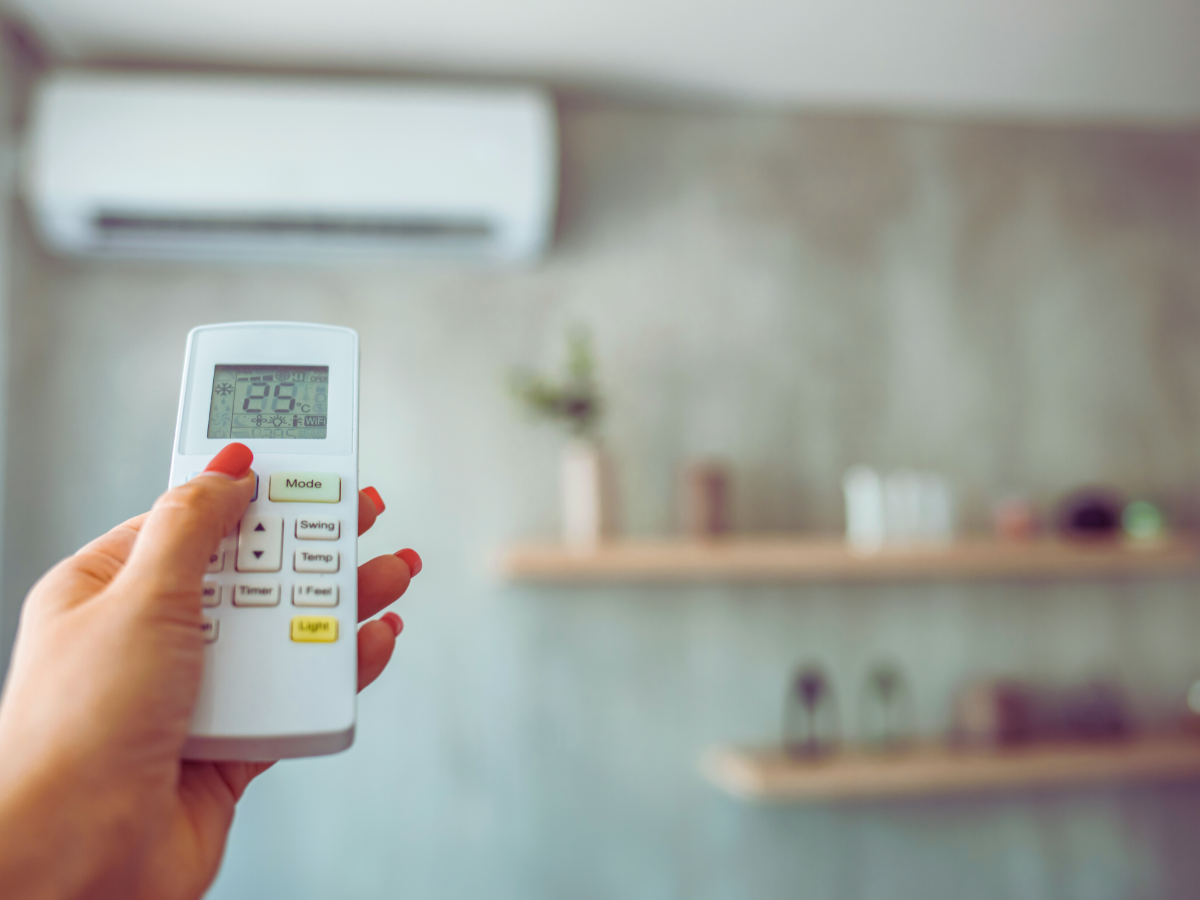
These tips will help you enjoy more restful sleep quickly.
Control Indoor Humidity
Keeping humidity levels within a range of 30% to 50% helps you enjoy better sleep. We offer dehumidifiers that can lower humidity levels in our Florida climate.
Replace HVAC Air Filters Regularly
HVAC filters have MERV ratings that you can use to find ones that provide more air quality control. You should change the air filter every one to three months, depending on your system’s needs and preferences for cleaner air.
Improve Ventilation
Making sure that there is good fresh air exchange lowers indoor pollutants, and you’ll want to place extra emphasis on bathroom and kitchen exhaust fans to remove moisture and contaminants from the air.
Consider Upgrading to Whole-Home Indoor Air Quality Solutions
We have a wealth of solutions available to improve indoor air quality in your entire house. Air purifiers, UV lights, mini-split purification, whole-home filtration systems and dehumidifiers are all options that allow everyone to breathe better.
Are Portable Air Purifiers Enough?
Portable air purifiers can be an effective temporary solution, but they aren’t able to provide multiple rooms with better air quality. A whole-home HVAC IAQ solution can help with fixing root causes of bad air, such as dirty ductwork and high humidity levels.
Why Should Tampa Homeowners Take Indoor Air Quality Seriously?
As a Tampa homeowner, you can enjoy mostly sunny weather throughout the year. But, there is a downside to living in a coastal climate. Heat and humidity can lead to more seasonal allergens building up.
Plus, you can expect longer AC runtimes when the temperatures start to rise. Many of the homes in our beautiful Tampa neighborhoods are also older, which means the duct systems are aging.
Focusing on improving indoor air quality affects your comfort more than just keeping you cooler. A well-maintained HVAC and filtration system can also help you breathe and sleep well throughout each season.
FAQ
Can poor indoor air quality cause insomnia?
Yes, allergies, congestion and breathing irritation can all lead to insomnia.
Does sleeping with bad air quality make you tired?
Unfortunately, sleep disruptions from poor air quality can leave you feeling exhausted after being in bed all night.
Can mold in a house affect sleep?
Mold spores cause respiratory irritation that can induce congestion and allergy symptoms that impact sleep.
What is the best humidity level for sleeping?
The ideal humidity range for better sleep is between 30% and 50%.
Will an HVAC tune-up improve indoor air quality?
HVAC maintenance and filtration improvements help to maintain humidity levels and reduce air pollution in your home.
Choose to Breathe Cleaner Air and Sleep With Greater Comfort in Tampa
 If you are tired of your home feeling humid, stuffy and uncomfortable at night, then it’s good to know that our team at One Hour Air Conditioning & Heating is here to help. We’re experienced with helping homeowners in Tampa and the surrounding areas improve their homes’ air quality with air purification, HVAC maintenance, humidity control and air filtration solutions.
At One Hour, we also stand by our promise that we’re on time or you won’t pay a dime. Give us a call today, and you can be sleeping better by tonight.