 You work hard to keep your house clean by dusting the shelves, vacuuming the floors and changing the bedding. But, seeing the dust come back two days later is frustrating. Before you toss your duster, you should know that excessive dust isn’t always a cleaning problem.
Instead, frequent dust buildup is likely caused by airflow issues, poor HVAC performance and other factors that impact the indoor air quality. In fact, Tampa’s humidity and year-round air conditioning use can make dust problems even worse.
Learning why dust is a constant problem and the hidden causes of having layers return to rest on your furniture, helps you get it under control. Uncovering how your home’s HVAC system could be contributing to the issue can also help you work with our technicians to find long-term solutions to dust problems.
Quick Takeaways
- Dust is made up of fabric fibers, pollen, dirt, pet dander, skin cells and other airborne particles.
- Leaky ductwork and dirty air filters can spread dust throughout a house.
- Tampa humidity increases dust mite activity, which can worsen air quality.
- Poor ventilation and airflow can also contribute to more dust in your home.
- Cheap air filters can fail to catch fine particles of dust.
- While-home indoor air quality solutions are effective at significantly reducing airborne dust.
Why Does Dust Keep Building Up In My House?
Dust is likely building up in your home because of poor ventilation and HVAC issues such as dirty air filters and leaky ductwork. Your home constantly generates and circulates airborne particles, which is why you’ll see dust show up no matter how hard you clean.
When you factor in outdoor pollutants, pet dander, fabric fibers and other airborne pollutants, it’s easy to see where all the dust is coming from. HVAC systems can either help reduce the dust or spread it around, depending on their conditions.
Know What the Dust in Your House Is Actually Made Of
Household dust is composed of multiple types of particles that build up in Tampa homes.
- Pet dander
- Dead skin cells
- Pollen
- Dirt
- Dust mites
- Fabric and carpet fibers
- Mold spores
Many particles are microscopic and continuously airborne, which means you’re breathing them even when you can’t see them.
Consider the Most Common Reasons Why Your House Gets Dusty
1. Your Home’s HVAC Filter is Low Quality or Dirty
A clogged filter can block airflow and reduce the HVAC system’s ability to clean the air. Poor filtration performance allows more particles to make it into the air circulation. Inexpensive fiberglass filters are less capable of catching microscopic particles compared to higher efficiency ones.
2. The Ductwork Might Be Leaking
Leaky ductwork draws air from attics, wall cavities and crawl spaces that haven’t been cleaned by the HVAC system. When there are return-side leaks, more airborne pollutants are introduced to your home.
3. Humidity Makes the Problem Worse
Tampa’s humidity levels are high year-round, which can increase the risk of mold developing. Dust mites thrive in humid climates, and sticky airborne particles are more likely to settle around your home.
4. Poor Airflow and Ventilation
Stagnant air hangs around, which allows for more dust to settle. Blocked vents can stop air from circulating through HVAC and air filtration systems.
5. Upholstery, Carpets and Bedding Trap Dust
Soft surfaces, such as bedding, trap and release airborne particles repeatedly. Cleaning these surfaces can help, but the ultimate goal is to reduce how much dust settles on them.
6. Pets Increase Airborne Particles
Your furry friend is full of love, but their coat is also filled with dander and hair that can impact indoor air quality. Don’t worry, though. Our technicians have ways to prevent the outdoor debris they track in from impacting your indoor air quality.
Explore Ways to Reduce Dust in Your Home
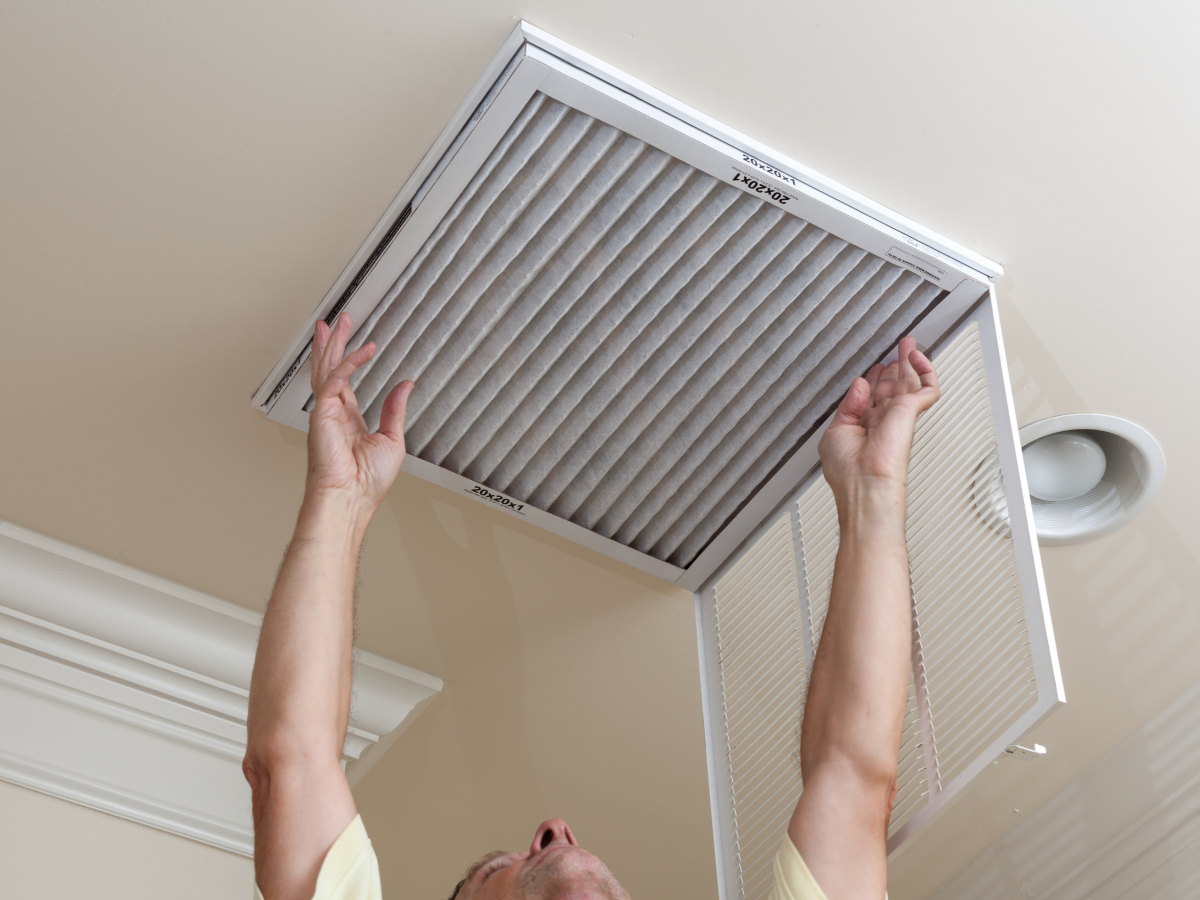 Lowering the dust in your home comes down to using several strategies that improve HVAC performance and combat Florida’s high humidity.
- Replace air filters regularly: look for ones with high MERV ratings
- Schedule HVAC maintenance: blower cleaning and airflow optimization reduce dust levels
- Seal leaky ductwork: avoid introducing new contaminants to the indoor air
- Control indoor humidity: the ideal range is between 30% and 50%
- Improve indoor air filtration: whole-home air cleaners and HEPA filtration improve IAQ
- Vacuum and dust more strategically: Microfiber cloths and HEPA vacuums reduce dust blowing back into the air
Pay Attention to the Signs That Excessive Dust Means You Need to Call an HVAC Professional
Discovering these problems around your house is a clear sign that you need a Tampa HVAC technician’s help to clear the air.
- Seeing dust blowing from the vents
- Smelling musty or mildewy odors
- Feeling hot and sticky from the humidity
- Needing to clean visible dust near the vents
- Having allergy flare-ups and sleeping issues
- Finding constant dust after recently cleaning
FAQs
Why does my house get dusty so fast?
Houses get dirty fast when dirty air filters, poor ventilation and high humidity allow more airborne particles to circulate in the air.
Can dirty air ducts cause dust buildup?
Yes, air that passes through dirty ductwork can pick up more dust that will flow through the vents.
Does high humidity make dust worse?
Dust mites thrive in moisture, which means people living in humid climates tend to see more buildup.
Why is my bedroom dustier than other rooms?
Bedrooms tend to have less airflow and more soft fabrics that add up to increased dust, especially considering you spend eight hours or more in the space.
Will better air filters reduce dust?
Absolutely! In fact, HVAC technicians can help you choose highly efficient air filters to reduce dust around your house.
How often is it necessary to change the HVAC filter?
The general timeframe for air filter changes is every one to three months, which depends on the air filter, your HVAC system type and preferences for cleaner air.
Can indoor air quality services help with dust problems?
Whole-home indoor air quality solutions include using dehumidifiers, filtration systems and routine HVAC maintenance to address dust problems from multiple angles.
Reduce Dust and Improve Your Home’s Indoor Air Quality In Tampa
 If you’re frazzled by dust building up despite your cleaning efforts, then it’s likely that your HVAC system and indoor air quality are contributing to the problem. One Hour Air Conditioning & Heating helps Tampa homeowners and our neighbors in the surrounding areas improve comfort indoors.
Our indoor air quality services, including air filtration upgrades, duct evaluations, humidity control and HVAC maintenance, can work with your efforts to create a cleaner home. At One Hour, we promise to be on time, or you don’t pay a dime. Reach out to us today!