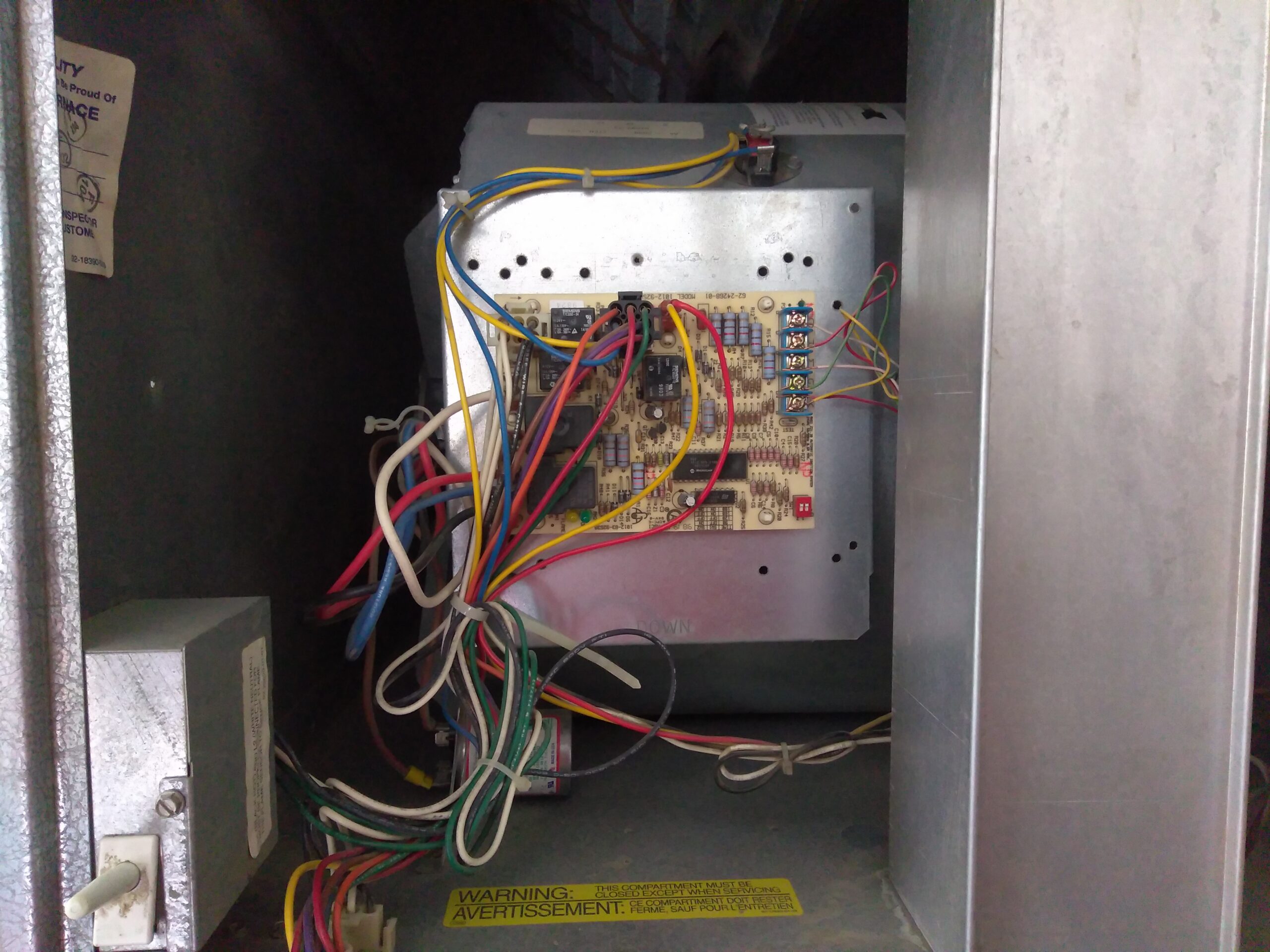
 The HVAC system that heats and cools your home is comprised of an array of important parts. Critical components include the exterior compressor unit, thermostat, blowers, and vents, but none of these components would function as expected without a fully operational HVAC control board.
The HVAC control board interacts with the unit’s thermostat to activate and deactivate the system’s various working parts. Many common HVAC troubles can be traced back to a failing control board. However, it’s important to realize that some HVAC control board problems may appear at first glance to be issues with the thermostat, electrical wiring, or any of the dozens of other HVAC components.
Having a reliable, fully functional climate control system is a must for Tampa-area residents. The knowledgeable heating and air technicians at One Hour Air Conditioning & Heating want local homeowners to be fully informed about how their residential cooling systems operate. To that end, we offer the following information on how HVAC control boards work along with possible indicators that repair or replacement may be in order.
Quick Takeaways
- The control board functions as the HVAC system’s brain.
- Power surges, moisture, age, and overheating are leading causes of failure.
- Short cycling, thermostat issues, and blower problems are common warning signs.
- Professional testing is usually required to confirm a failed control board.
- Routine maintenance can help prevent premature failure.
What Is an HVAC Control Board?
As the name suggests, an HVAC control board acts as the center of operations for a heating and air system. It is usually located inside the residence near the thermostat and is connected to the thermostat and other components by a series of wires.
The control board computes the expected demand and coordinates system operation based on information received from the thermostat. It then starts and stops the unit’s cooling compressor, heating equipment, blower motor, inducer fans, and all other moving parts. It’s also responsible for activating safety stops and generating error messages in the event of a malfunction.
Because the control board is attached to most other components, any problems it experiences could cause issues with the entire system. The control board’s performance also has a major impact on overall HVAC efficiency and reliability.
Common Signs Your HVAC Control Board May Be Failing
Identifying control board problems can be a challenge because the symptoms are often similar to other HVAC issues. Here are some of the top warning indicators that your HVAC control board may be malfunctioning or breaking down.
1. Your HVAC System Won’t Turn On
If your HVAC unit doesn’t start up as usual when switched on after a period of inactivity, a faulty control board could be to blame.
2. The System Keeps Short Cycling
Frequent starts and stops, known as short cycling, are a sign that your HVAC control board could be malfunctioning.
3. The Blower Fan Runs Constantly
The control board manages the operation of the system’s blower fan and may prevent this critical component from shutting off if damaged or broken.
4. The Blower Fan Won’t Start
A faulty control board could also keep the blower fan from starting up even when the thermostat sends a signal for it to switch on.
5. Your Thermostat Isn’t Responding Correctly
A problematic control board can cause commands from the thermostat to be ignored or delayed. This may lead to irregular system operation or complete inactivity.
6. Your Home Never Reaches the Set Temperature
Inconsistent heating or cooling due to ineffective communication between the thermostat and the system’s working parts is another potential problem caused by control board issues.
7. You Notice Flashing Error Codes
Modern HVAC units are equipped with onboard diagnostic systems. Seeing a flashing light or receiving an error code is one of the most reliable signs that a control board is malfunctioning.
8. Certain HVAC Components Stop Working
The blower fan isn’t the only HVAC part that may be impacted by a faulty control board. The compressor, inducer motor, relays, and other sensitive components may also fail to activate.
9. Your System Randomly Shuts Down
Unexpected system shutdowns can be attributed to many causes. A damaged control board is one of the most common explanations for this stressful and alarming occurrence.
10. You Smell Burning Electronics
A burning smell from your HVAC system is a sure sign of trouble, and melted or burned-out circuit board components can definitely cause unusual odors to emanate from your vents or exterior unit.
11. You See Visible Damage on the Control Board
When serious damage like corrosion, scorching, or melting happens, it’s often visible on the control board.
What Causes HVAC Control Boards to Fail?
The top culprits behind HVAC control board troubles include the following.
Power Surges and Lightning Strikes
The Tampa area is frequently impacted by storms that bring damaging lightning. Power surges are an all-too-frequent occurrence here as well.
Florida Humidity and Moisture Damage
Humidity and moisture are highly problematic for electrical components, and this coastal region of Florida is well-known for its damp, tropical air.
Age and Wear
Even high-quality HVAC components break down over time due to age and regular usage. The hot, humid conditions in Tampa tend to accelerate this process.
Overheating
An overheated HVAC system can leave lasting effects, including damage to the sensitive components that comprise the control board.
Loose Wiring and Electrical Problems
Faulty wiring or similar issues can negatively impact the operation of an HVAC system’s electronic controls.
HVAC Control Board or Thermostat Issue?
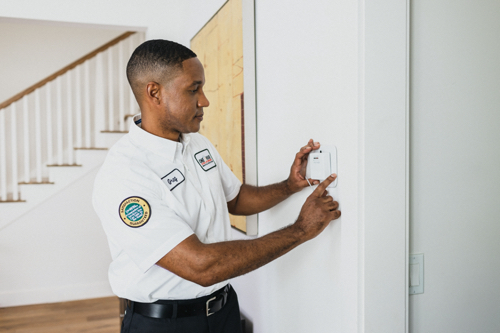 It can be easy to confuse an HVAC thermostat with the control board, but the two devices aren’t interchangeable. The thermostat is the portion of an HVAC system that’s accessible to the user while the control board is usually located in a secure, out-of-the-way area. The thermostat sends signals to the control board regarding system operation, and the control board responds by activating and deactivating components.
Loss of temperature control is the leading problem for heating and cooling systems, and this issue can be caused by both faulty thermostats and malfunctioning control boards. Professional inspection and evaluation are necessary to determine the exact culprit when HVAC problems occur.
Can a Bad HVAC Control Board Be Repaired?
Although control boards are complex systems of wires, fuses, electronics, breakers, and other components, they’re relatively compact units that contain no moving parts. It’s sometimes possible to make minor repairs to a problematic control board by tightening a loose connection or updating a single bad wire or breaker.
In most cases, however, damage to even a small portion of the board is best addressed by completely replacing it. Upgrading an outdated or faulty control board instead of trying to make a spot repair ensures that it will function cohesively and could prevent further problems later.
How to Protect Your HVAC Control Board
As a responsible homeowner, you can take several steps to help your HVAC system’s control board remain in top condition.
Install Surge Protection
Professionally installed whole-home surge protection can keep lightning and electrical surges from causing havoc with your HVAC system.
Schedule Annual HVAC Maintenance
Routine inspection of the control board along with the rest of the HVAC system is a great way to stay on top of maintenance issues and head off unexpected breakdowns.
Keep Moisture Away From HVAC Components
Ensuring that your HVAC system is sealed against moisture will protect not only the control board but other sensitive internal parts as well.
Address Electrical Issues Promptly
Issues with your HVAC unit and its electrical components should be dealt with as soon as possible to avoid additional damage to this critical, high-value household system.
Frequently Asked Questions
How long does an HVAC control board last?
An HVAC control board has an average expected service life of around 10 to 15 years. Power surges, excessive moisture, and extremely high usage levels can reduce this lifespan significantly.
Can a power surge damage an HVAC control board?
Control boards are equipped with sensitive electrical and electronic devices that are highly prone to damage by unexpected power surges.
Will my AC run with a bad control board?
It’s possible for an AC system to operate with a faulty control board in some instances, but the system’s efficiency and reliability will likely be seriously reduced.
Can I replace an HVAC control board myself?
Replacing an HVAC control board is a highly skilled task that should be turned over to an experienced HVAC technician or electrician.
How much does HVAC control board replacement cost?
The costs associated with updating an HVAC control board depend on the age of the system, the availability of parts, and other factors. We can provide you with a personalized estimate for your specific project.
What’s the difference between a thermostat and a control board?
The thermostat is the active user interface of the HVAC unit. It sends information to the control board to start and stop the various internal parts of the system.
When HVAC Control Board Issues Arise, Count on One Hour Air Conditioning & Heating
 If your HVAC system goes on the blink, any number of issues could be the cause. Accurate diagnosis of the problem is critical to getting your system up and running again. The local team here at One Hour Air Conditioning & Heating is armed with the knowledge and equipment needed to find problems with HVAC systems of all ages and manage the required repairs quickly and correctly.
We’re proud to offer our control board, thermostat, and general HVAC repair expertise to homeowners throughout Tampa and surrounding communities. You can safely put your trust in us because we’re always on time or you don’t pay a dime.
Contact One Hour Air Conditioning & Heating today to schedule an appointment at your Tampa-area residence. We’ll gladly answer your questions by phone and offer to consult with you during our next available time slot.