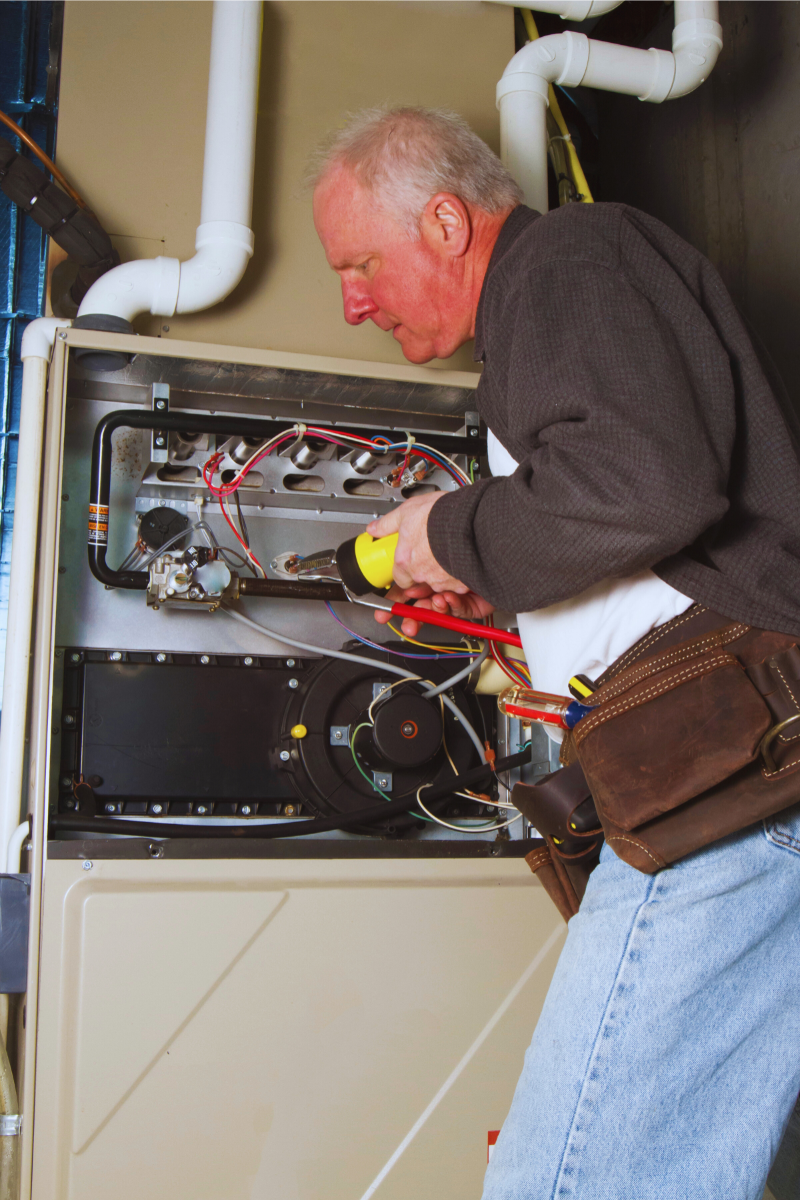
 Furnaces aren’t cheap, and even in a climate like Tampa’s, the weather gets cold enough that you want to know you can rely on your furnace. These are two of the main reasons that people ask how long they can count on their furnace working.
However, the longevity of your furnace depends on several different factors. Below, we’ll discuss these factors so that you’ll have a better understanding of what to expect from your furnace and how you can maximize its lifespan.
Quick Takeaways
- Most furnaces last 12-20 years, but this varies based on type.
- All furnaces last longer with annual professional maintenance.
- Other factors include proper installation, correct size, and consistent thermostat settings.
- Mild climates create less overall strain, but watch out for neglect.
- Replace your furnace before it fails altogether.
How Long Does a Furnace Last on Average?
Furnaces usually last for 12-20 years, but there is still a lot of variance. Your furnace may have a longer or shorter lifespan than this depending on what type you have, how you use it and how well you maintain it.
Average Furnace Lifespan by Furnace Type
Whether your furnace is gas, electric, oil or a newer high-efficiency model, its lifespan will vary based on how each of those types is designed. The fuel source and conditions under which they operate are also a factor.
Gas Furnace Lifespan
Gas furnaces usually last around 12-15 years, although they can exceed this. Regular maintenance is important for gas furnace longevity, particularly since gas furnace issues can also be safety issues.
For example, the pilot light or igniter is a common point of failure on a gas furnace. Other common problems include issues with the gas valve or heat exchange.
Electric Furnace Lifespan
Electric furnaces have fewer moving parts and thus fewer potential points of failure. They tend to last around 15-20 years, but there are a few potential drawbacks.
They can be less efficient than other types of furnaces, and the heat strip in an electric furnace is vulnerable to wearing out. These strips can burn out from overuse or power surges. Dirt can also reduce their effectiveness.
Oil Furnace Lifespan
Oil furnaces are less common today than other types, but they can last for 25 years or even more. As with other furnace types, regular maintenance is a big part of this longevity.
High-Efficiency Furnace Lifespan
High-efficiency furnaces can last 15-20 years. Correct installation and regular maintenance is even more important for these than for other furnace types.
What Factors Affect How Long a Furnace Lasts
You might assume that getting a high-end furnace will ensure a long lifespan, but there are several other conditions that are even more important than the brand name.
Installation Quality
Furnace longevity starts the day that it’s installed. A furnace that isn’t installed correctly will not run as well or as efficiently.
This will put stress on the system and reduce airflow. It can also cause short cycling, which is when your furnace turns on and off without completing a full cycle, often without ever reaching the set temperature.
Furnace Size and Home Compatibility
Short cycling is also an issue if your furnace is too big for your home. If it’s not big enough, it will struggle to heat your home adequately. Both of these will cause your furnace to wear out more quickly.
Maintenance Frequency
Regular professional maintenance means that furnace problems can be identified before they become more serious and do additional damage. Replacing parts that are wearing out prevents them from failing altogether.
A technician has the knowledge and expertise to know what your system needs to keep it running at its best, and this maintenance will extend the life of your furnace.
Usage Patterns and Climate
In a cold climate, there are more demands on a furnace, and it may not last as long.
In a milder climate like that of Tampa, your furnace may have a longer lifespan. However, very infrequent use can also cause problems, including dirt and dust buildup.
Thermostat Settings and Cycling
Setting your thermostat at a certain temperature and leaving it there is another way to increase your furnace’s longevity. Changing the thermostat frequently puts strain on various parts of the furnace and may also lead to short cycling.
Signs Your Furnace Is Near the End of Its Lifespan
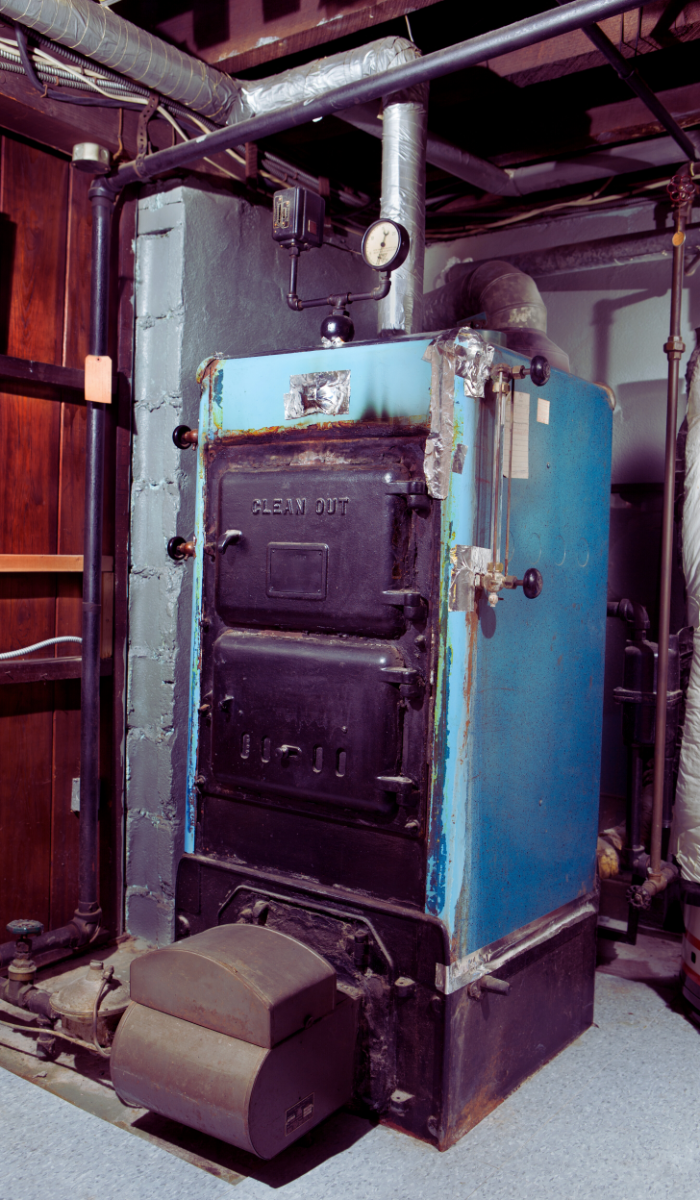 Even furnaces that are carefully maintained don’t last forever. Inconsistent, uneven or insufficient heating is one sign yours may be wearing out, but there are others as well.
If you hear unusual noises from your furnace or notice your energy bills are going up with no change in usage, your furnace may be reaching the end of its lifespan. Other signs include more frequent repairs or your system shutting down altogether.
Should You Repair or Replace an Aging Furnace?
If your furnace is less than 10 years old, you may want to repair it. If it’s older, you might want to consider replacement.
The cost of the repair is another factor. Your older furnace may keep going for a few more years with a relatively minor repair, while a newer furnace might need a repair so expensive that it makes more sense to buy a new one. Consider as well if repairs have become more frequent.
Take into account that a new furnace is likely to be more efficient than your current one. In addition, if heating reliability is a critical factor for you, you may want to consider an upgrade.
How to Extend the Life of Your Furnace
The good news is that many of the elements that extend the life of your furnace are within your control. Below are some of the things you can do to maximize your furnace’s lifespan:
- Schedule annual maintenance every fall.
- Change the filter regularly according to the system’s schedule.
- Keep the thermostat consistent instead of adjusting it frequently.
- Make sure your home is well-insulated.
- Keep your ducts sealed and in good condition.
Frequently Asked Questions About Furnace Lifespan
Below, you can find answers to some of the most common questions we hear about how long furnaces last.
Can a furnace last more than 20 years?
A furnace can last for longer than 20 years. However, this is unlikely without annual, top-notch maintenance and proper usage, including aiming for a consistent thermostat setting.
How do I find out how old my furnace is?
Look for a sticker or data plate that has a serial number on it. You may need to turn off your furnace and remove the cover or open the access door to find it.
The first or last four numerals in the serial number may be the month and date of the furnace’s manufacture. You can contact the company or visit their website if you need additional help decoding the serial number.
Does regular maintenance really extend furnace life?
Regular professional maintenance is one of the most important factors in extending the life of your furnace. Professional technicians can identify small problems and wear and tear and make replacements early. They can also ensure that your furnace is operating as efficiently as possible.
Is it better to replace a furnace before it fails completely?
Delaying a furnace replacement can result in needing emergency service and scrambling for a replacement during a cold snap.
Replacing your furnace before it fails entirely prevents this stress, discomfort and expense. It also gives you the opportunity to learn more about your options and choose your next furnace carefully.
Does Florida’s climate affect furnace lifespan?
Florida’s milder climate can mean that you put less strain on your system than if you lived in a colder climate since you’re using it less often.
However, an infrequently used furnace may build up dirt and dust, and parts may not work as well after a long period of inactivity.
How One Hour Can Help
 At One Hour Air Conditioning & Heating, we are the trusted HVAC experts for all your furnace needs throughout the Tampa area. We offer inspections, maintenance, replacement and repair.
You can count on our knowledgeable diagnosis and honest recommendations for your furnace. We pride ourselves on our punctuality. We’re always on time or you don’t pay a dime.
Call us today at One Hour to schedule top-notch service for your furnace.