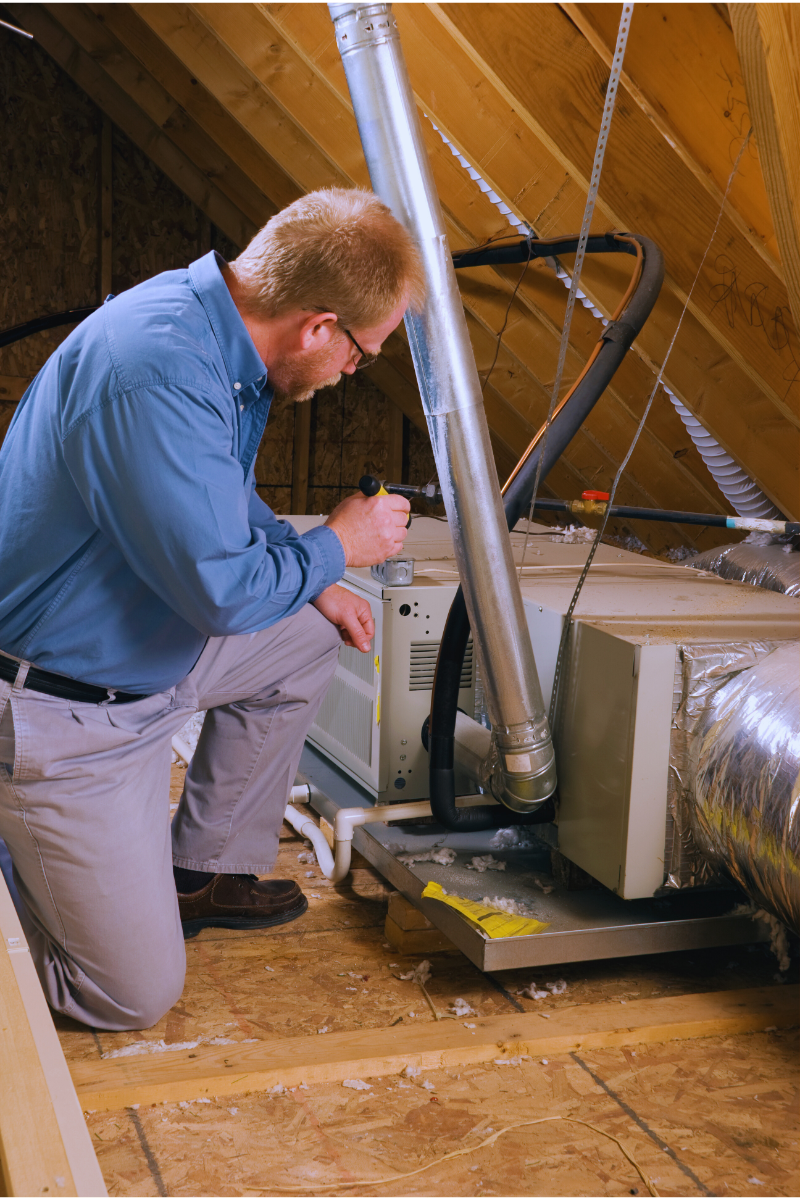
 Choosing the right size furnace is key to keeping your home comfortable, maintaining your system’s efficiency, and prolonging its lifespan. Buying an oversized or undersized furnace wastes energy and money over time, but making the effort to accurately assess your heating needs can help you avoid these issues.
Today, determining the size of the furnace you require is not just about calculating square footage; factors like Tampa’s climate zone and your home’s insulation, sun exposure, and total air volume also matter. Below, we’ll discuss the steps you can take to get a furnace that will perfectly meet your needs.
Quick Takeaways
- Installing the right-size furnace will help you save money and energy and reduce wear and tear on your system.
- A too-small furnace will struggle to heat your space, experience more wear on its parts, and need more maintenance.
- An oversized furnace will waste energy, cycle more frequently, and could cause heated air to leak out of your air ducts.
- Using industry-standard energy load calculation methods, like a professionally administered Manual J assessment, will enable you to identify the right furnace for your needs.
What Furnace Size Means (BTUs Explained)
The size of your furnace is generally correlated with its heating power. Furnaces are rated by their output in British thermal units, or BTUs, defined as the amount of heat required to raise the temperature of one pound of water by one degree.
In other words, BTUs represent your furnace’s heating power. The larger the BTU rating, the more heat your furnace will put out.
A 120,000 BTU furnace will generate more heat than a 60,000 BTU furnace. Most residential furnaces are sized between 40,000 and 120,000 BTUs.
What Size Furnace Do I Need Based on My Home Size?
In general, you need 30 to 60 BTUs per square foot to heat your home depending on the climate you live in and other factors like insulation, sun exposure, and roof type. Accounting for your home’s square footage and Florida’s climate zone (as represented in the chart below) will give you a rough estimate of the furnace size you’ll need, but you should always seek out a professional’s advice for confirmation.
House Square Footage: Zone 1
- 1,000: 30,000 – 35,000
- 1,200: 36,000 – 42,000
- 1,500: 45,000 – 52,500
- 1,800: 54,000 – 63,000
- 2,000: 60,000 – 70,000
- 2,500: 75,000 – 87,500
- 3,000: 90,000 – 105,000
Factors That Affect Furnace Size
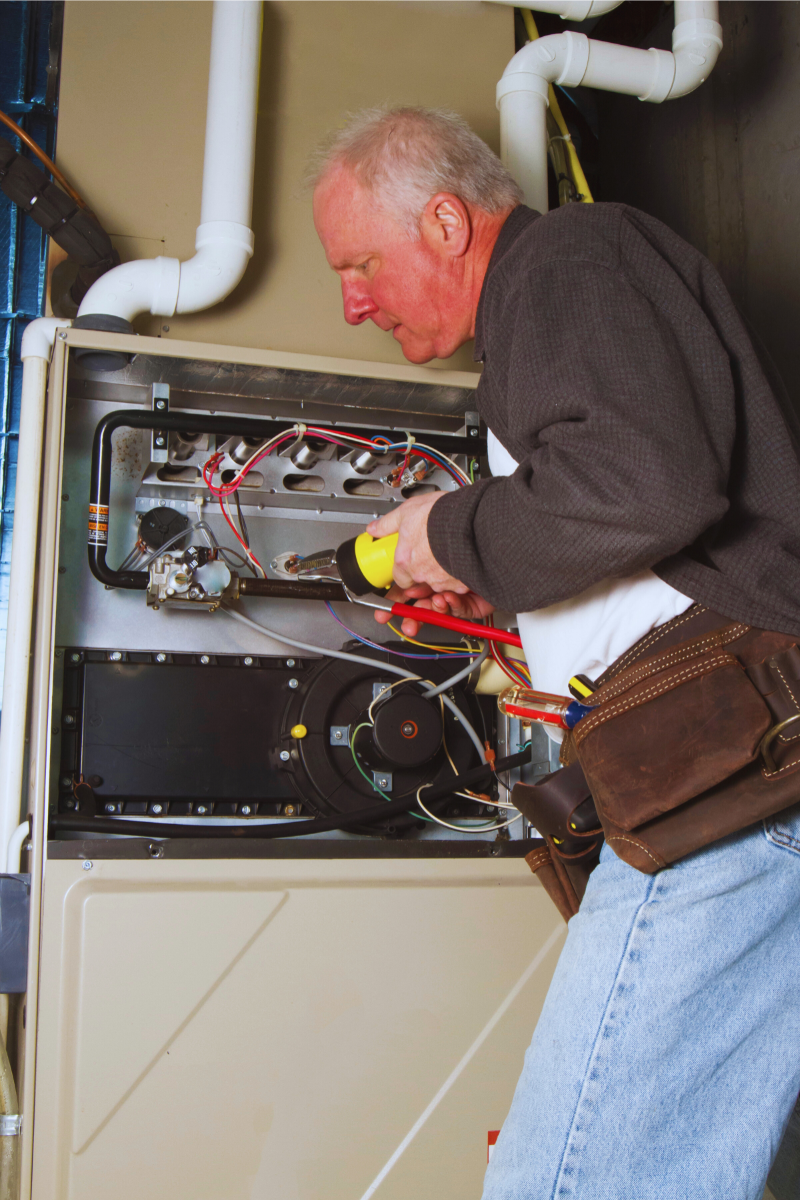 When you’re heating the volume of air within your home, you need to account for a variety of factors that influence how the temperature of the air can change. Sizing your furnace accurately means taking stock of variables like your climate, insulation, ceiling height, window, door, and ductwork configuration, and more, as described below.
Climate and Location
Regional climate affects the size of furnace you need because there will be a larger gap between the outdoor temperature and the desired indoor temperature in a colder climate. When the gap is large, you will need more BTUs to heat your home.
In warm, humid regions like Florida, the air inside your home is more likely to stay warm longer and also be similar in temperature to the air outside during a mild winter. For this reason, you’re more likely to need a smaller furnace with a low BTU rating.
Home Insulation and Air Sealing
Did you know that the way your home transfers heat can affect the size of furnace you need? Insulation acts as a thermal barrier that keeps heat inside in winter and outside in summer, while air sealing around doors, windows, and outlets stops heat from escaping and increases energy efficiency.
If your home is poorly insulated and sealed, your furnace will have to work harder and run longer to heat your home, or you will have to invest in a larger furnace to compensate for heat loss.
Ceiling Height and Home Layout
Homes that have taller ceilings and open layouts have a larger volume of air to heat and fewer barriers (like walls and doors) that prevent heat loss. A room with an 8-foot ceiling has 25% less air to heat than a room with the same square footage and a 10-foot ceiling.
An open layout creates a larger total volume of air to heat and exposes more air to surfaces that facilitate heat loss. This makes it harder for a furnace to maintain a uniform temperature, so homes with high ceilings and open layouts generally need a larger, more powerful furnace.
Windows, Doors, and Heat Loss
The number, size, and quality of your home’s windows and doors can affect how easily it will lose heat. In general, the more doors and windows you have, the higher the chance for heat loss.
Single-pane glass windows and lightweight or poorly sealed doors are poor insulators that tend to allow heat to escape. Installing high-quality double- and triple-pane windows with low-E coatings and storm doors with good weatherstripping can reduce heat loss and potentially allow you to use a smaller furnace.
Ductwork Condition and Airflow
Your ductwork delivers warm air from your furnace into your home, and if these conduits are leaking, blocked, or otherwise damaged or undersized, your heater will be less effective. This means your furnace will have to work harder and use more energy to actually get the amount of hot air into your home to achieve and maintain your desired temperature.
If you’re losing heated air through leaky or poorly connected ducts, you would need a larger furnace to compensate for the heat loss.
Signs Your Furnace Is the Wrong Size
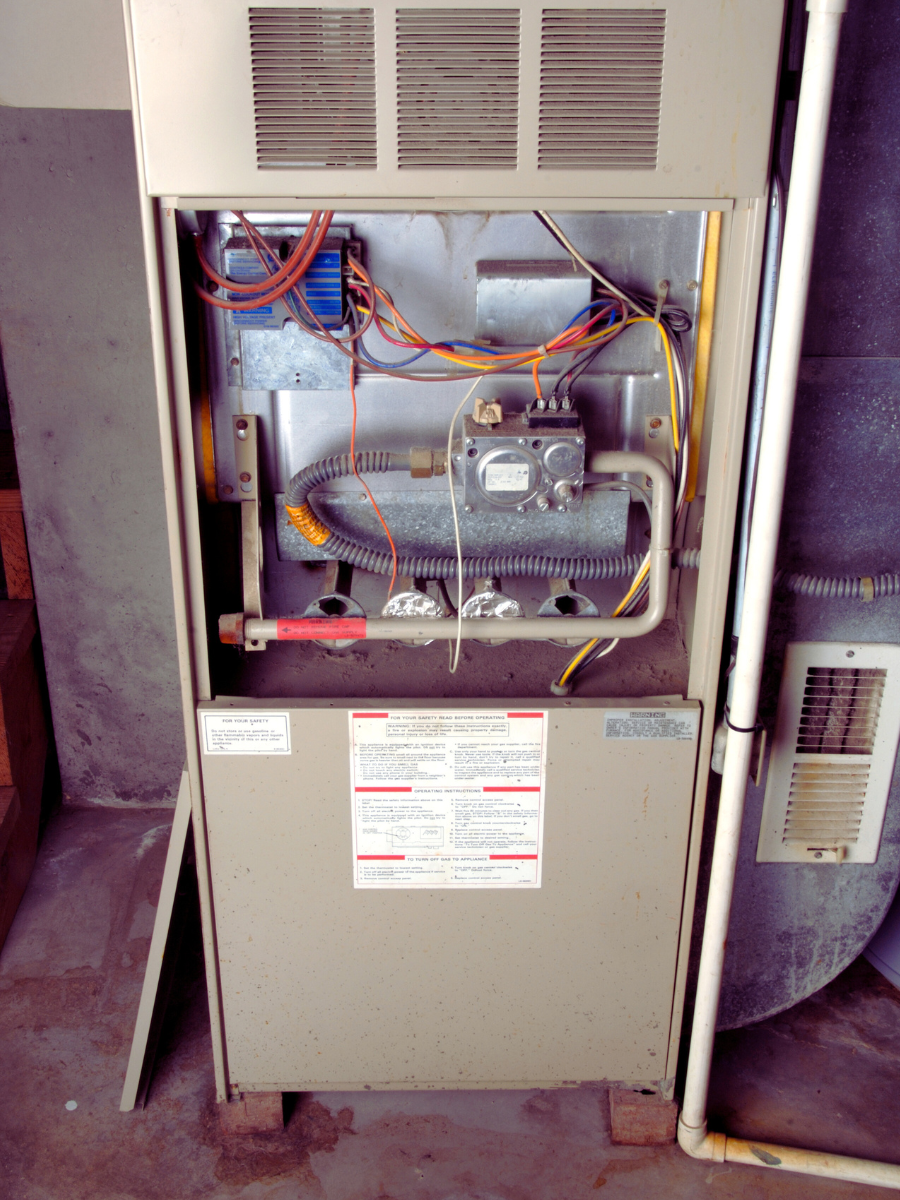
If your furnace is the wrong size, there are certain factors that can help you recognize the issue. Common symptoms of improper sizing include:
- Uneven temperatures: If some rooms or spaces in your home are constantly too hot or too chilly, your furnace could be too large or too small.
- Frequent cycling: If your furnace short-cycles, it may be oversized and have difficulty maintaining a moderate temperature.
- Constant runtime: If your furnace is running constantly, it may be undersized and working overtime to maintain your desired temperature.
- High energy bills: If your energy bills are unusually high, your furnace may be burning an excessive amount of fuel, either because it is undersized and trying to produce sufficient heat or because it is oversized and burning the amount of fuel that matches its operating capacity.
Why Bigger Is Not Better
You may think that having an oversized furnace would be a good thing, because, in theory, you would have more than enough heat available for your home at any time. In reality, oversized furnaces reduce comfort because they blast your home with heat, shut off, and then repeat the process as your home cools.
This constant short cycling can create hot spots in your home, waste energy, and cause your furnace to wear out faster.
Why Smaller Isn’t Better Either
Understanding why an undersized furnace can be problematic is fairly straightforward. A too-small furnace will struggle to heat your home, run constantly, heat your home unevenly, and be more likely to fail prematurely.
Since it will stay on longer to maintain your home’s temperature, it will burn more fuel and increase your energy bills. The furnace’s parts will also experience more wear, which will increase the risk of systemic breakdowns.
Why a Manual J Load Calculation Matters
A Manual J load calculation is an industry-standard process developed by the Air Conditioning Contractors of America (ACCA) that accurately assesses your home’s heating and cooling requirements. It accounts for your home’s insulation, windows, air leakage, climate, internal energy loads, sun exposure, and square footage to determine the exact number of BTUs (British Thermal Units) your home needs for comfort.
Professional sizing using Manual J load calculation ensures that you’ll get a furnace that is right for your particular heating needs. It should also lead to better comfort and efficiency, a longer lifespan for your furnace, and lower energy, maintenance, and repair costs over time.
Frequently Asked Questions About Furnace Sizing
Introduce this section as quick, direct answers to common homeowner questions. Keep responses concise and aligned with search intent.
How many BTUs do I need for my home?
BTU needs vary by home size, insulation, and climate, and cannot be accurately determined by square footage alone. A licensed HVAC professional can perform a Manual J load calculation to determine the number of BTUs you need.
Can I use my old furnace size as a replacement guide?
Even if your older furnace seemed sufficient, there’s a good chance it may have been improperly sized for your home. In the past, energy load calculation methods and construction standards were less precise, and many furnaces were oversized. Professional recalculation of your heat load will enable you to get a furnace that is ideally sized for your space.
Does Florida’s climate affect furnace size?
While Tampa’s warm, humid climate and mild winters can reduce your overall heating demand, you still need to install the right-sized furnace to maintain efficiency and comfort.
What happens if my furnace is oversized?
An oversized furnace will be more likely to short cycle, leading to uneven heating and poor humidity control throughout your home. You are also more likely to experience higher energy bills and increased wear on your system.
Should I size a furnace myself or call a professional?
Relying on DIY methods to size your furnace can lead to inaccurate assessments that can influence you to choose the wrong furnace. If this happens, you are more likely to suffer through operating inefficiencies, reduced comfort, increased maintenance repair and replacement costs, and higher energy bills over time.
A professional HVAC evaluation, using a standardized Manual J calculation, will match your furnace to your specific heating needs and help you optimize its performance and save money over time.
Schedule Furnace Sizing or Replacement in Tampa, FL
 When it’s time to upgrade or replace your furnace, Tampa One Hour is here for you. We’re the most trusted HVAC experts for furnace sizing, installation, and replacement in the region. Our team will conduct the necessary professional load calculations and make honest recommendations to ensure you get the right furnace for your needs.
At Tampa One Hour, your satisfaction is our top priority. We’re always on time, or you don’t pay a dime, so call us for service today!