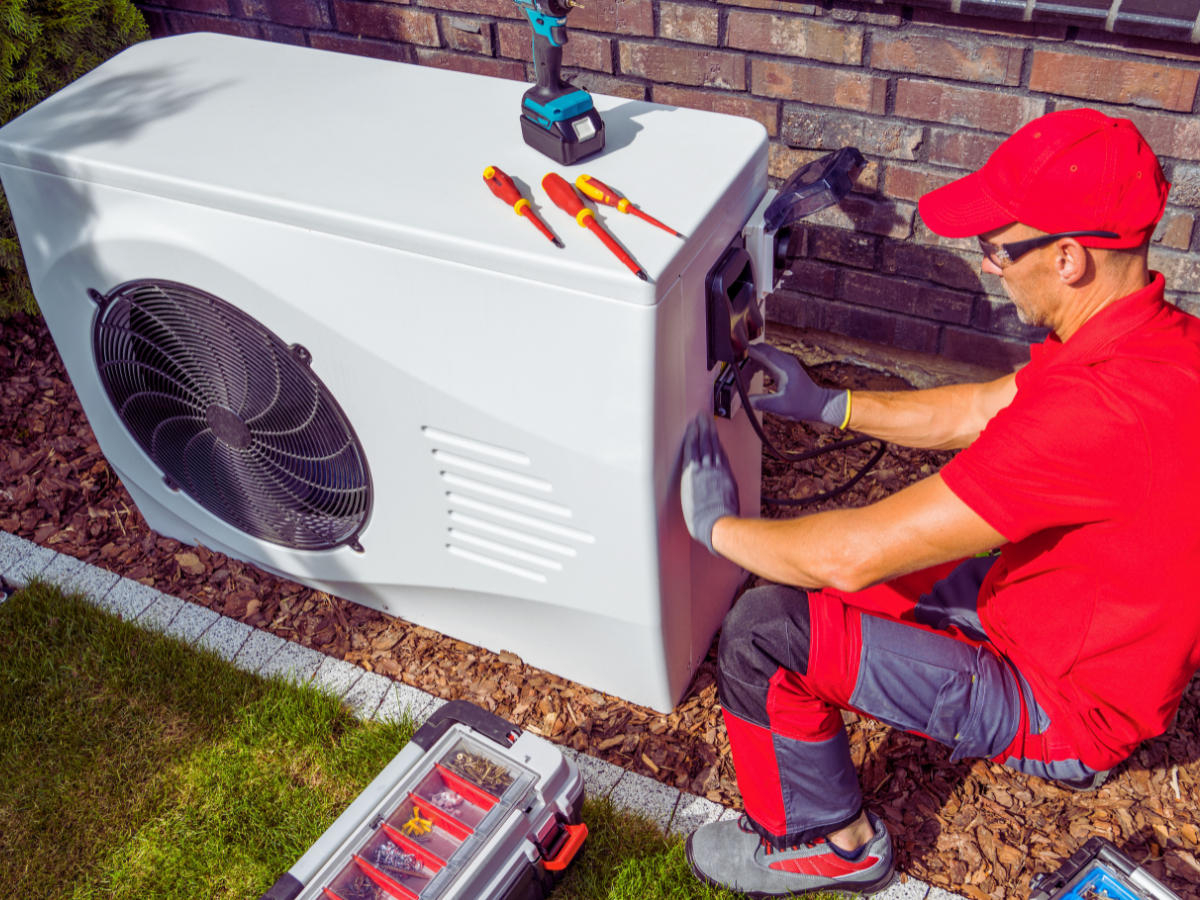
 Traditionally, home heating and cooling solutions include both a furnace and an air conditioner. This equipment provides years of indoor comfort with proper maintenance and upkeep. However, now that it’s time to replace your furnace and AC, it makes sense to explore all options.
Increasingly, homeowners are opting to skip an HVAC system upgrade and choosing to install a heat pump. The rise in popularity of heat pumps is due to their cost efficiency and environmental friendliness. While there are numerous benefits of heat pumps, there are a few downsides. Before replacing your HVAC system with a heat pump, here’s what you should know.
Key Takeaways
– Heat pumps are highly advantageous, but they aren’t suitable for all homes.
– You may qualify for numerous incentives and rebates when you upgrade to a heat pump.
– Heat pumps offer year-round financial savings.
What Is a Heat Pump?
Before deciding which heating and cooling system is suitable for your home, one important question requires your attention. What Is a heat pump? A heat pump transfers heat rather than creates it.
With a traditional HVAC system, the air conditioner generates cool air while the furnace creates warm air. With a heat pump, indoor heat is transferred outdoors in the winter.
In the summer, the heat pump transfers outdoor heat to inside the home. While it may seem counterintuitive to move heat indoors in the summer, this is how heat pumps work. The heat pump’s refrigerant absorbs the indoor heat, which effectively cools the home.
Types of Heat Pumps Explained
There are three main types of heat pumps. These include:
– Air-Source Heat Pumps: An air source heat pump is the most common type. It works by transferring heat in the air. As technology has improved, this type of heat pump is increasingly suitable for colder climates.
– Ground-Source (Geothermal) Heat Pumps: A geothermal heat pump is more efficient. It uses the more constant temperature found underground to heat and cool the house.
– Ductless Mini-Split Systems: A mini split heat pump uses a wall-mounted unit in each room, so ducts aren’t needed. This setup makes them well-suited for maintaining different temperatures in each room for optimized comfort. Often, mini-split systems are found in older homes that may be drafty or have less insulation.
How Heat Pumps Compare to Furnaces and Air Conditioners
When deciding between a heat pump vs furnace and AC system, it’s important to look at the facts. There are notable differences between these systems in areas like heating and cooling efficiency, the environmental impact, the life span and maintenance requirements.
Heating Efficiency: Heating efficiency is measured by COP, or the Coefficient of Performance. A higher COP means the system is more efficiency. Overall, heat pumps have a higher COP than the alternative. In cold climates, heat pump efficiency is boosted by special tech and features that allow them to function reliably in extreme temperatures.
Cooling Efficiency: SEER, or the Seasonal Energy Efficiency Ratio, indicates the typical cooling power of a unit compared to its energy consumption. A higher SEER is more energy efficient. Overall, heat pumps have higher SEER ratings than HVAC systems.
Environmental Impact: A furnace uses oil or gas to heat a home. This produces carbon emissions. A heat pump, on the other hand, has lower carbon emissions because it uses electricity.
Lifespan and Maintenance: Lifespan and maintenance of a heat pump vs air conditioner and furnace system are based on the brand, maintenance and other factors. Generally, a heat pump lasts up to 30 years while an HVAC lasts between 20-25 years. Both types of systems require annual maintenance service and regular air filter replacement.
Can a Heat Pump Really Replace Your Furnace and AC?
As you consider whether to replace your furnace and AC with a heat pump, you understandably want to know if these systems have equivalent heating and cooling capabilities. Heat pumps can replace your furnace and AC system, but there are a few caveats.
Heat pumps may struggle in extremely cold situations, so a dual fuel system could be beneficial in some climates. Review the map to explore ideal climate zones for heat pumps. A cold climate heat pump’s technology makes it a better option for these climates.
The energy efficiency of the home also affects the cost savings associated with making this upgrade. Before installing a heat pump, request an energy audit from your HVAC company. Upgrades to insulation, windows and sealants can optimize the benefits of using a heat pump.
Pros and Cons of Heat Pumps
 While heat pumps are increasingly popular due to their many benefits, there are downsides to consider. What are the many pros and cons of heat pumps?
Pros
The benefits of heat pumps include year-round energy savings, which translates to eco-friendliness and financial savings. Additional savings are available through special incentives and rebates. Heat pumps also improve ambiance with their quiet operation. With one system, there is less clutter in your home.
Cons
Several disadvantages of heat pumps should be considered. For example, while heat pumps are more efficient to operate, they are less efficient in extremely cold weather without a backup heat source. Good insulation is essential to maximize energy efficiency. In addition, heat pumps are more expensive to install.
Is a Heat Pump Right for Your Home? (Checklist)
Often, homeowners ask, “Is a heat pump worth it?” If you’re wondering should I get a heat pump installed, take a moment to answer these questions.
– Do you live in an ideal climate for a heat pump?
– Does your home have quality insulation?
– Is your current system approaching the end of its life?
– Does your budget accommodate an upgrade?
– Do you want a more environmentally friendly way to heat and cool your home?
Heat Pump Myths You Shouldn’t Believe
There are several common heat pump myths circulating that could sway your decision to improve your home’s heating and cooling method. With a closer look at heat pump facts, you can make a well-informed decision that’s best for your home.
Myth: They don’t work in cold weather.
Fact: Heat pumps are effective at cooling homes in the summer and heating them in the winter. In fact, heat pumps function as intended in temperatures as low as 20 degrees Fahrenheit. If the temperature drops below 20 degrees, a backup heating method should be used.
Myth: They’re too expensive.
Fact: Heat pumps are somewhat more expensive to install than traditional HVAC systems. However, they are far more energy efficient. In fact, depending on the climate, size of your home and other factors, a heat pump could save you up to $1,500 annually in heating and cooling costs.
Myth: They require constant maintenance.
Fact: Maintenance requirements for heat pumps are comparable to those for an HVAC system. Heat pumps require routine air filter replacements and annual maintenance service.
Incentives and Rebates for Heat Pumps (2025 Update)
You can offset the cost of installing a new heat pump by taking advantage of various energy efficiency tax credits and heat pump rebates 2025. For example, when filing your federal tax return, you can claim up to $2,000 in tax credits after installing a new heat pump. According to Energy Star, this credit is available through 2032.
Tampa residents could also qualify for a local rebate through Tampa Electric. To qualify for this $135 rebate, the heat pump must meet the program’s SEER rating requirements. The minimum SEER rating to qualify is 16.
In addition to these savings that directly offset heat pump installation costs, you can pay for your new equipment over time. Financing options are available for qualified customers. We can provide you with more details about financing programs upon request.
Choosing the Right Heat Pump and Installer
Replacing your HVAC with a heat pump is a major decision that will impact energy costs and your comfort at home potentially for decades. To choose the best heat pump for your home, carefully research your options. Each heat pump is rated for SEER, HSPF and COP.
We previously discussed SEER and COP. HSPF stands for Heating Seasonal Performance Factor. It indicates how efficient the equipment is over a full heating season. A higher HSPF means that the system is more efficient.
You also need to find an HVAC contractor to install your equipment properly. Look for a technician with a NATE certification. To earn a certification for North American Technician Excellence, the technician must successfully pass numerous training courses and knowledge tests.
In addition, read independent consumer reviews from actual customers before hiring a contractor. Some companies also offer warranties on their work. At Tampa One Hour, we take pride in providing exceptional service to our customers, and we always focus on efficiency and promptness. We’re always on time, or you don’t pay a dime.
Should You Make the Switch?
 A heat pump offers a superior return on investment for homeowners. It will keep you comfortable indoors regardless of how uncomfortable the weather is outdoors, and it operates with peak efficiency.
Whether you want to upgrade your HVAC system or switch to a heat pump, contact Tampa One Hour for an evaluation. We provide maintenance, repair and installation service to customers in and around the Tampa area. You can count on us to show up on time and do great work. We’re always on time, or you don’t pay a dime.
FAQs
Do heat pumps work in winter?
Heat pumps provide year-round comfort. They keep homes warm in the winter and cool in the summer.
How long do heat pumps last?
When properly maintained, a heat pump could last up to 25 or 30 years.
Can I use existing ducts?
As long as your existing ducts are in good shape and are the proper size for the new heat pump, they can be used.
How noisy are heat pumps?
Heat pumps are recognized for their quiet operation. In fact, they are typically quieter than HVAC systems.
How much can I save annually?
Cost savings vary from home to home. Many people save between $300 and $1,500 per year after installing a heat pump.