 To ensure the efficiency of your heating, ventilation, and air conditioning (HVAC) system, you need to calibrate your thermostat properly. A poorly calibrated unit can lead to excessive HVAC wear, higher energy bills, and uneven temperatures. With a few simple steps, you can set your thermostat’s temperature and troubleshoot common problems.
Quick Takeaways
- A well-calibrated thermostat will have the same temperature reading as the air temperature.
- In order to test your thermostat, you will need a separate thermometer.
- A mechanical thermostat tends to be much easier to recalibrate.
- If a thermostat is placed in a drafty or sunny location, it can seem as if there are calibration issues. In reality, the location is the culprit.
- When recalibration isn’t successful, you need to schedule a professional HVAC inspection.
What Does It Mean To Calibrate a Thermostat?
Calibrating a thermostat is when you adjust the thermostat so that its internal sensors match the air temperature. This process is different from programming because it involves fixing an inaccurate temperature instead of setting a schedule.
Power surges, age, dirt, and other factors can cause sensors to become less accurate over time, which is why periodic calibration is necessary.
Signs Your Thermostat Needs Calibration
It may be time to recalibrate your thermostat if you notice any of the following symptoms.
- The temperature is displayed inaccurately.
- Your home is heated or cooled unevenly.
- The HVAC system shuts off prematurely or runs for extended periods of time.
- Your monthly energy bills have increased without any obvious cause.
How To Test Thermostat Accuracy Before Calibrating
To see if your thermostat requires calibration, try the following steps.
Test Method 1: Use a Glass or Digital Thermometer
The first way to check your thermostat’s calibration is by placing a thermometer next to it for 15 minutes. Then, compare the readings to see if the temperature is accurate.
Test Method 2: Check the Thermostat Location
If the thermostat is in a drafty or humid location, the reading will be higher or lower than the rest of your house. Check to see if your thermostat is located in direct sunlight, on exterior walls, near windows, or next to vents.
How To Calibrate a Mechanical Thermostat
To calibrate your manual thermostat, you just need to use a few simple steps.
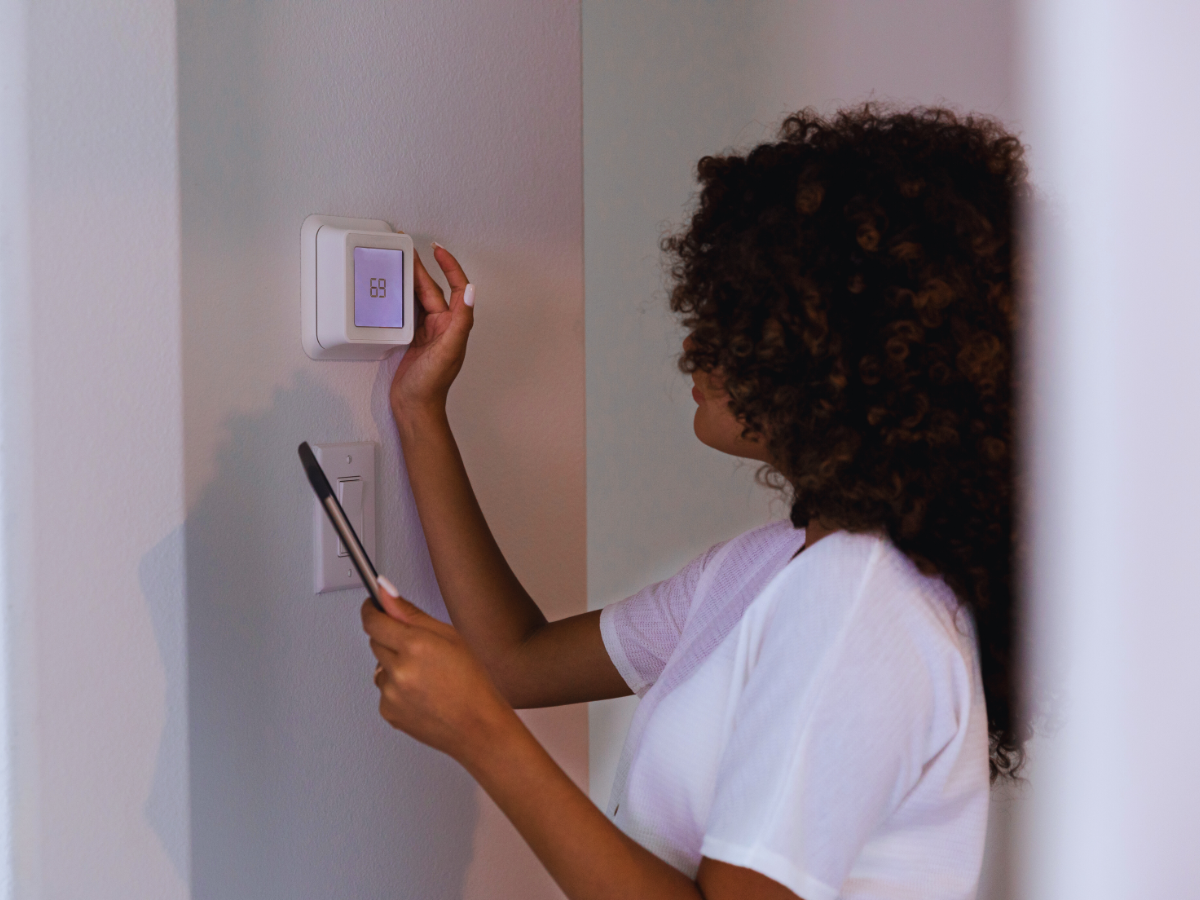 Turn the power off.
- Remove the thermostat’s cover.
- Adjust the calibration screw or dial as needed.
- Replace the cover.
- Retest the thermostat.
How To Calibrate a Digital or Programmable Thermostat
For a digital thermostat, the calibration process is different.
- Go to the settings menu.
- Find the temperature offset option.
- Make small adjustments until you reach the right setting.
- Save the settings.
- Reset your thermostat.
Why Your Thermostat May Still Be Inaccurate After Calibration
Calibration won’t solve every problem. Faulty wiring, short cycling, an aging sensor, incorrect height, and performance issues can affect your indoor temperature. The only way to fix temperature problems in these instances is to diagnose and repair the actual cause.
When To Call a Professional for Thermostat Service
When recalibrating your thermostat isn’t effective, you should call in the professionals. At Tampa One Hour Air Conditioning & Heating, we can help if you’re experiencing ongoing temperature differences or cycling problems. You should also reach out as soon as you notice issues with smart thermostat wiring.
Finally, professional support is essential if your original adjustments don’t work.
FAQs
How often should a thermostat be calibrated?
We generally recommend calibrating your home’s thermostat once per year.
Can I calibrate a smart thermostat?
Smart thermostats can’t be manually adjusted like mechanical thermostats. However, you can perform adjustments with a software offset.
What temperature difference is considered normal?
The difference should never be more than a couple of degrees.
Does thermostat calibration save money?
It can absolutely save you money. When a thermostat isn’t sensing the temperature appropriately, it can cause the room to become warmer or colder than intended. As a result, a poorly calibrated thermostat can significantly increase your energy bills.
Why is my thermostat accurate but my house still feels uncomfortable?
Most likely, the real issue isn’t your thermostat. Many different problems in your HVAC system can result in performance issues. For example, faulty blower motors, low refrigerant, and dirty filters can all make your home feel uncomfortable.
Need Professional Thermostat Calibration in Tampa, FL?
 From routine maintenance to timely repairs, there are important steps you can take to protect your HVAC system. As a part of your ongoing care, remember to calibrate your thermostat at least once per year.
If calibrating your thermostat doesn’t work, it’s time to reach out for professional diagnostic thermostat testing. Our team can inspect your system to locate the underlying problem and repair it.
For assistance with all of your HVAC equipment, reach out to One Hour Air Conditioning & Heating today. We’re always on time, or you don’t pay a dime!