 Tampa isn’t a snowy wonderland during the winter, but it still gets chilly at nighttime. When the cold weather dips into the 40s or even 30s, having a reliable heater makes all the difference in keeping your home warm and comfortable. The right setup will achieve a nice balance of comfort, energy efficiency, and affordability.
Keep reading to explore the most popular heating options in Tampa and which ones perform the best in mild conditions. We’ll walk you through each type so you make an informed selection that perfectly matches your household’s needs.
Quick Takeaways
- Tampa homes need efficient heating for mild winter nights.
- Heat pumps and mini-splits work best in Florida homes.
- Electric furnaces provide steady warmth during colder evenings.
- Hybrid HVAC systems deliver comfort and energy savings year-round.
- Correct sizing and maintenance improve heating system performance greatly.
Understanding Tampa’s Heating Needs
During the winter in Tampa, the nighttime temps usually dip between 50°F and 55°F, but it’s not uncommon for cold snaps to produce temperatures below 40°F. The area’s high humidity can make it feel even colder since it adds a damp, clammy chill to indoor air.
Because of the mild coastal climate, most homes in Tampa don’t require a large gas furnace. Instead, they use supplemental or dual-function systems to keep the living spaces warm. Both of these setups deliver quick, energy-efficient heat without excessive energy use.
Best Heater Options for Tampa’s Mild Winters
Picking the right heater for your home is vital to saving money and staying comfortable. Here are the top picks for homes in Tampa.
1. Heat Pumps—The All-In-One Favorite
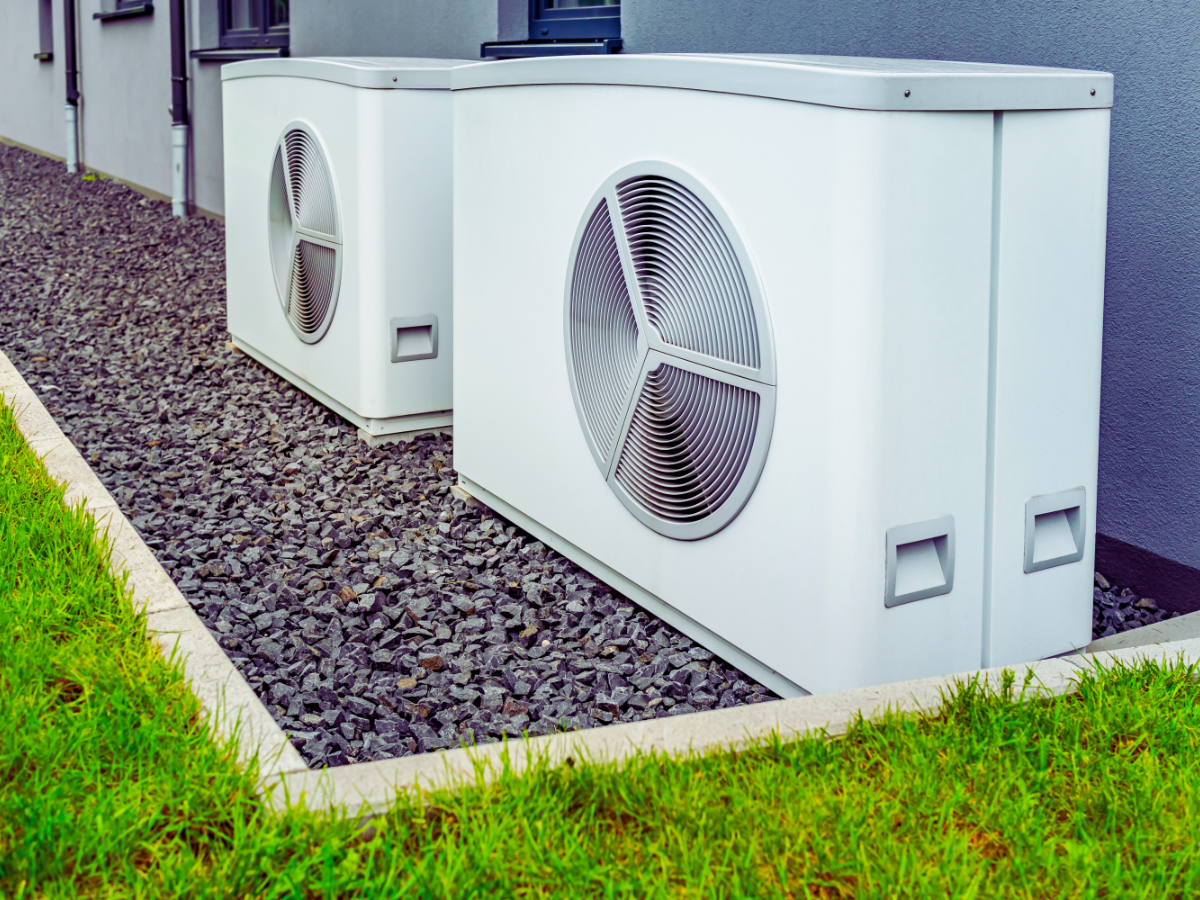
Heat pumps don’t generate heat; they transfer it. Plus, they can reverse their operation to provide cooling during warmer weather. This makes them perfect for Tampa, where the mild climate reduces the need for heavy-duty heating systems.
You’ll enjoy year-round comfort with a single system that operates quietly and efficiently. Best of all, many heat pumps qualify for federal energy rebates and local utility incentives.
2. Ductless Mini-Split Systems
Ductless mini-split systems work best in homes that have severely damaged ducts or no ductwork at all. They also work well for additions and renovations.
You can set them up to provide zoned heating, making it simple to save money by only heating the rooms you use. Many models come with inverter technology that automatically adjusts the compressor speed to maintain consistent comfort and efficiency.
3. Electric Furnaces
Electric furnaces don’t create any kind of combustion because they use heating elements instead of burning fuel. This makes them safer than gas furnaces, and they work exceptionally well when paired with a central AC. You simply switch the system to heating mode during cold spells to keep the home comfortable.
4. Hybrid Heat Pump Systems
A hybrid setup combines a heat pump with a backup furnace. This way, if the heat pump can’t keep up with extreme cold during winter nights, you can turn the furnace on.
We can even set the equipment up to automatically switch modes based on the outdoor temperature. By reducing strain on the furnace, it will last much longer and perform more efficiently.
5. Smart Thermostat Pairings
No matter the heater you choose, it’s wise to sync it with a smart thermostat that learns your heating habits. It’ll use the stored data to make automatic adjustments to temperature settings to save more money on heating costs.
The remote access feature allows you to adjust the temperature from any location using your smartphone. This capability makes a smart thermostat a lifesaver for snowbirds and travelers.
Factors to Consider Before Choosing a Heater
 The easiest approach to choosing a heater is to know what to look for in one.
You’ll need to consider several important factors:
- Home size and insulation: Smaller or insulated homes need less power.
- Climate conditions: Local temperatures make a heat pump an excellent choice.
- Energy costs: Compare electric rates and rebate options.
- Maintenance needs: Schedule yearly service for reliable heating.
- Indoor air quality: Some systems balance humidity and airflow.
Why Heat Pumps Dominate in Florida
Homes all throughout Tampa love using heat pumps. These setups make it simple to stay comfortable without having to switch systems.
- Climate efficiency: Performs best in moderate winter weather.
- Dual function: Heats and cools with one unit.
- Space-friendly design: Saves room and installation costs.
- Long-term savings: Cuts energy bills and repairs.
Common Mistakes Tampa Homeowners Make When Choosing Heaters
Picking the right heater is essential to making sure you and your family stay safe and comfortable during cold spells.
Here are the top mistakes to avoid:
- Oversizing the system: Wastes energy and reduces lifespan.
- Using space heaters: Costly, unsafe, and inefficient.
- Skipping maintenance: Causes breakdowns during cold fronts.
- Wrong system choice: Not suited for Florida climates.
FAQs
What type of heater is best for Tampa’s mild winters?
Experts agree that heat pumps are the ideal choice for Tampa homes because of their efficient dual-function heating and cooling capability.
Do I really need a heater in Tampa?
Yes. Just because it doesn’t snow in Tampa, you still need a heater for those times when temperatures drop unexpectedly.
How much does it cost to install a heat pump in Tampa?
The cost of a heat pump installation depends on the size and complexity of the setup. Those that require ductwork and electrical upgrades usually cost the most. You can search for rebates and incentives to offset installation expenses.
Are ductless mini-splits energy efficient?
Yes, ductless mini-splits provide great energy performance. Because the conditioned air doesn’t flow through ductwork, there’s a much lower risk of heat loss.
How often should I schedule heater maintenance in Florida?
Your heater needs annual tune-ups to keep it functioning with peak energy performance. We suggest booking maintenance during early fall so the system is fully ready for any colder weather that rolls through Tampa.
Book Your Next Heater Replacement With Tampa’s Premier HVAC Company
 Mild winters are great for outdoor activities, but you’ll need a dependable heater to keep you comfortable indoors. One Hour Heating & Air Conditioning is here to make sure you have the best setup for your family’s needs.
We’ll tell you all about the different heater options by explaining the pros and cons of each. Call us now to book a consultation to keep your home cozy, efficient, and worry-free all winter. We’re always on time or you don’t pay a dime.